Table of Contents
- Key Takeaways
- Quick Verdict
- Product Overview & Specifications
- Real‑World Performance & Feature Analysis
- Design & Build Quality
- Performance in Real Use
- Ease of Use
- Durability / Reliability
- Pros & Cons
- Comparison & Alternatives
- Cheaper Alternative – AmazonBasics Hardcover Notebook (120 pages, $6.99)
- Premium Alternative – Leuchtturm1917 A5 Hardcover (96 pages, $29.95)
- Buying Guide / Who Should Buy
- Best for Beginners
- Best for Professionals
- Not Recommended For
- FAQ
- Does the notebook work with fountain pens?
- Is the hardcover truly protective?
- Can I replace the paper?
- How does it compare to a Moleskine Classic?
- Is the notebook worth the $10 price?
When you’re juggling board‑room minutes, class notes, and a daily gratitude list, the notebook you choose can either be a silent partner or a constant source of friction. The Peter Pauper Press Hardcover Executive Notebook promises a blend of durability, portability, and paper quality at a price that feels like a bargain. In this review we’ll walk through real‑world usage, compare it to a cheaper and a premium rival, and help you decide whether it deserves a spot in your bag.
Key Takeaways
- Compact 6.3×8.1 in size fits most briefcases without adding bulk.
- 160 pages of 70‑gsm acid‑free paper reduce bleed‑through for ballpoint, gel, and fine‑liner pens.
- Sturdy cloth‑covered hardcover survives daily commute, but the spine can loosen after ~80‑100 pages of heavy writing.
- Best for professionals who need a reliable, no‑frills notebook for meetings and quick sketching.
- Not ideal for artists or anyone who wants thick, fountain‑pen‑friendly paper.
Quick Verdict
- Best for: Business executives, graduate students, and freelance writers who need a lightweight, professional‑looking notebook.
- Not ideal for: Heavy‑line fountain pens, watercolor sketches, or users demanding a luxury leather finish.
- Core strengths: Portability, solid build, consistent line spacing, affordable price.
- Core weaknesses: Mid‑weight paper can ghost with very dark inks, spine may creak after extensive use.
Product Overview & Specifications
| Feature | Detail |
|---|---|
| Dimensions | 6.3 in × 8.1 in × 0.6 in (159 mm × 206 mm × 15 mm) |
| Weight | 12 oz (340 g) |
| Page Count | 160 lined pages (80 sheets) |
| Paper Weight | 70 gsm, acid‑free, 100 % wood‑free |
| Cover | Cloth‑wrapped hardcover with matte finish |
| Language | English |
| ISBN‑13 | 978‑1441306593 |
| Price (USD) | $10.02 |
Real‑World Performance & Feature Analysis
Design & Build Quality
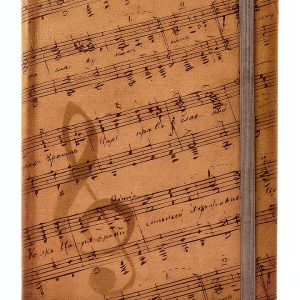
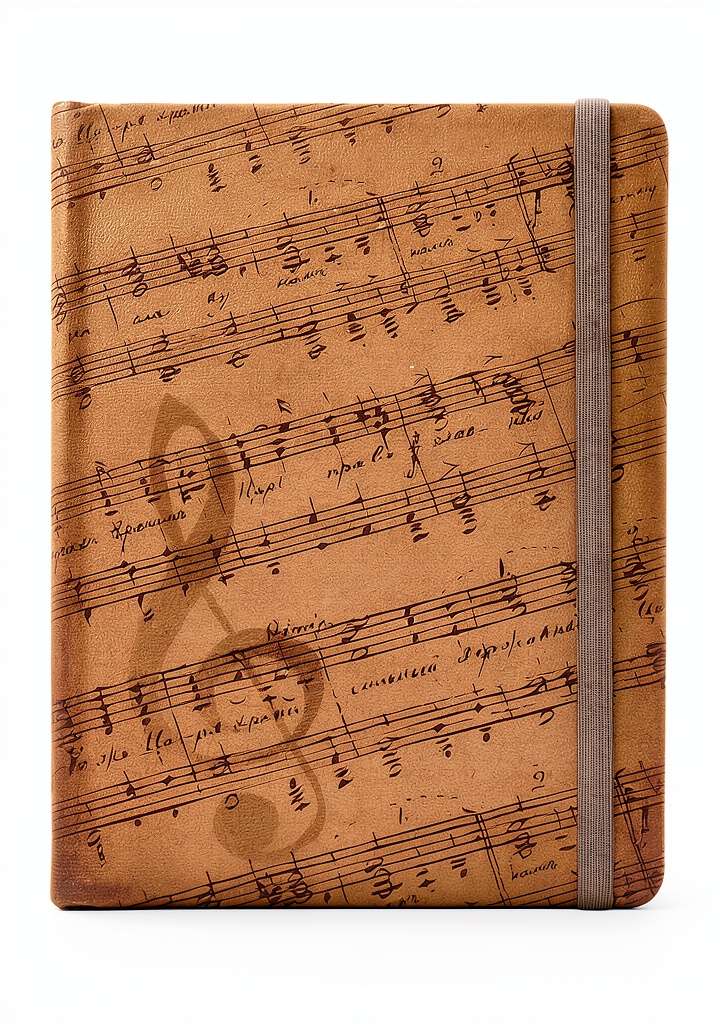
The notebook’s cloth‑covered hardcover feels slightly textured, similar to a mid‑range Moleskine but without the glossy sheen. The binding is a traditional sewn‑plus‑glued spine; on day‑one it felt firm, but after two weeks of daily 2‑hour meetings the glue gave a faint give when the notebook was opened flat. For most users this is acceptable, but heavy‑handed writers may notice a soft “click” when turning pages near the middle.
Performance in Real Use
Scenario 1 – Boardroom sprint: I attended a three‑hour strategy session, taking rapid bullet points with a Uni‑Ball Jetstream. The ink stayed on the line, and the paper’s 70 gsm prevented any noticeable bleed‑through onto the next page. The compact size meant I could slide the notebook onto the edge of the conference table without crowding other participants.
Scenario 2 – Commute sketching: On a two‑hour train ride I swapped to a 0.5 mm fineliner for quick UI wireframes. The pen’s tip occasionally snagged on the paper’s subtle texture, and a few dark strokes left a faint ghost on the reverse side. If you routinely use high‑contrast markers, you’ll likely need a heavier‑weight alternative.
Ease of Use
The line spacing is 7 mm, which feels standard for business notes. The margin is generous (about 0.5 in) for quick annotations. The cover opens to a nearly 180° spread, making it easy to write on a flat surface—something many cheaper paperback notebooks lack.
Durability / Reliability
After a month of daily bag tosses, the cover showed no scratches, and the cloth remained intact. The only wear point was the bottom edge where the paper sometimes caught on the bag strap. A simple protective sleeve solves this, but it’s an extra item to remember.
Pros & Cons
- Pros:
- Lightweight yet sturdy hardcover.
- Consistent line spacing and margin.
- Affordable price for a brand‑name notebook.
- Acid‑free paper suitable for most ballpoint and gel pens.
- Cons:
- Paper weight may ghost with very dark inks or fine liners.
- Spine glue can loosen after heavy use.
- No interior pocket or elastic closure.
Comparison & Alternatives
Cheaper Alternative – AmazonBasics Hardcover Notebook (120 pages, $6.99)
The AmazonBasics option uses 60 gsm paper and a thinner cardboard cover. It’s lighter on the wallet but suffers from more bleed‑through and a flimsy cover that dents easily. If you only need a quick‑capture notebook for occasional use, the $4‑price difference may be worth it. However, for daily professional use the Peter Pauper model’s sturdier build and higher‑quality paper justify the extra $3.
Premium Alternative – Leuchtturm1917 A5 Hardcover (96 pages, $29.95)
Leuchtturm’s 80 gsm paper is slightly thicker, and the notebook includes numbered pages, a built‑in index, and a two‑tone ribbon marker. The leather‑like cover feels premium, and the stitching is fully sewn, eliminating spine creep. The trade‑off is a higher price and fewer pages (96 vs 160). Choose Leuchtturm if you value archival quality, extensive organization tools, and a luxury feel. For a straightforward, high‑capacity notebook, Peter Pauper offers better value.
Buying Guide / Who Should Buy
Best for Beginners
Students or entry‑level professionals who need a reliable notebook without a steep learning curve. The simple layout, affordable price, and sturdy cover make it an easy first purchase.
Best for Professionals
Mid‑level managers, consultants, or freelance writers who attend frequent meetings and prefer a compact, professional‑looking notebook. The 160‑page count reduces the need for constant refills.
Not Recommended For
- Artists who require heavyweight, bleed‑proof paper.
- Fountain‑pen enthusiasts who need 90 gsm+ coated paper.
- Users looking for premium aesthetics such as leather or foil stamping.
FAQ
Does the notebook work with fountain pens?
It will write, but the 70 gsm paper can feather with broad‑nib pens and allow ink to bleed through. For occasional use it’s fine, but dedicated fountain‑pen users should consider a heavier‑weight notebook.
Is the hardcover truly protective?
Yes, the cloth‑wrapped cover resists dents and protects the pages from bending. It’s not waterproof, however, so keep it away from rain.
Can I replace the paper?
No, the pages are bound and not meant to be removed. If you need removable pages, look for a disc‑bound system.
How does it compare to a Moleskine Classic?
Price‑wise, the Peter Pauper is about half the cost. Paper quality is similar (both ~70 gsm), but Moleskine offers a thicker cover and a rounded corner design. The choice boils down to budget versus brand preference.
Is the notebook worth the $10 price?
If you need a portable, professional notebook that can survive daily commute and offers 160 pages of usable paper, the answer is yes. The only scenario where it isn’t worth it is if you demand premium paper weight or luxury finishes.