Table of Contents
Finding genuinely healthy, convenient food for your toddler shouldn’t feel like a compromise. You want something quick, but not processed. Nutritious, but not a choking hazard. Tasty, but without the hidden salt and additives that seem to be in everything. This is the daily tension for parents navigating baby-led weaning and toddler meals.
Having tested numerous toddler noodle options with my own children, I approached Hakubaku Udon Noodles No Salt Precut for Toddlers with both hope and skepticism. The promise is compelling: simple ingredients, safety-focused design, and Japanese quality standards. But does this product deliver in the messy reality of feeding a toddler, or is it just another overpriced specialty item? After thorough real-world use, here’s what you need to know before buying.
Key Takeaways
- The 2.5cm precut length is genuinely safer than breaking regular noodles, but still requires supervision for younger babies.
- True zero-sodium formulation makes these ideal for parents strictly monitoring salt intake, but requires flavorful broths or sauces.
- Texture is softer than regular udon – perfect for beginners but potentially too mushy for older toddlers with more teeth.
- The resealable pouch is convenient but doesn’t prevent noodles from drying out slightly between uses.
- At over $16 per package, the value depends entirely on your priority on ingredient purity versus budget.
Quick Verdict
Best for: Parents starting baby-led weaning (5-12 months) who prioritize absolute ingredient control and are willing to pay a premium for certified safety features.
Not ideal for: Families with multiple children, budget-conscious shoppers, or those with toddlers who prefer firm-textured foods.
Core strengths: Authentic no-salt formulation, thoughtful safety-focused design, superior ingredient quality, and convenience for single-serve meals.
Core weaknesses: Premium price point, limited texture variety, and the need to supplement with flavor sources since the noodles themselves are intentionally bland.
Product Overview & Specifications
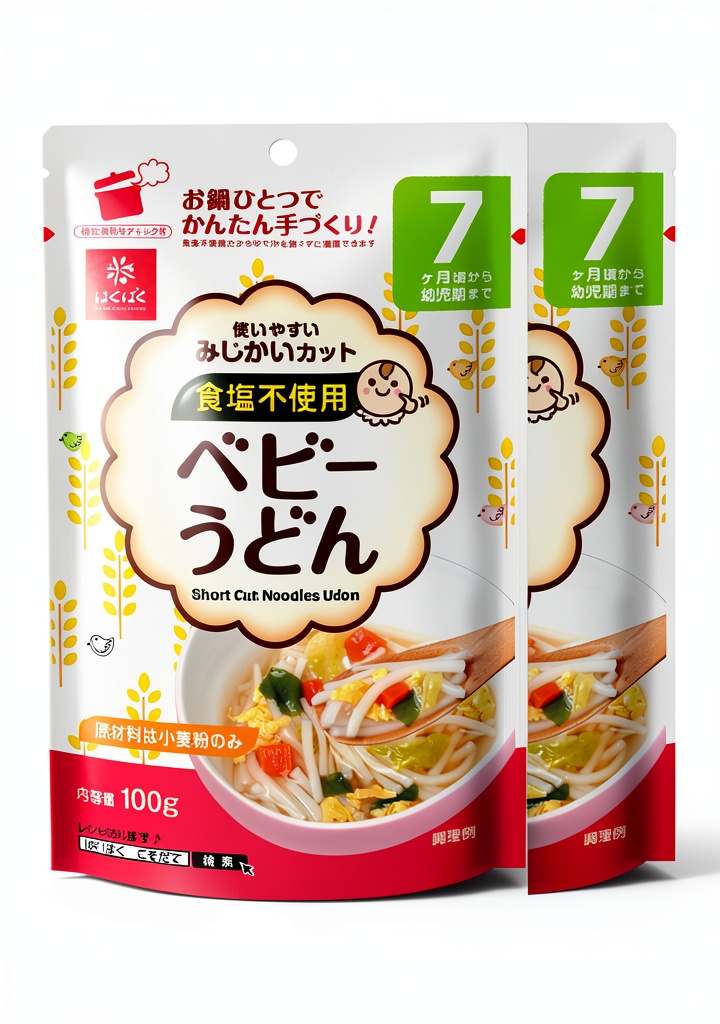
Hakubaku Udon Noodles represent a specific approach to toddler feeding: minimalism with purpose. Unlike many “healthy” packaged foods that still contain trace additives, these noodles contain exactly one ingredient: wheat flour. The manufacturing philosophy appears to be that when you can’t remove potential hazards (like the gluten in wheat), you control everything else meticulously.
| Specification | Details |
|---|---|
| Primary Ingredients | 100% wheat flour |
| Added Salt | None |
| Noodle Length | Precut 2.5cm (approximately 1 inch) |
| Package Type | Resealable standing pouch |
| Weight | 3.53 ounces (100g) |
| Manufacturing Origin | Japan |
| Age Recommendation | 5 months and older |
| Price Point | Premium ($16.21 per package) |
The packaging is functional rather than luxurious – a sturdy foil-lined pouch with a reliable zipper seal. What impressed me most was the self-standing design, which actually works on countertops without tipping over. This matters more than you might think when you’re trying to portion noodles with one hand while holding a squirming toddler with the other.
Real-World Performance & Feature Analysis
Design & Build Quality
The precut 2.5cm length isn’t just a marketing claim – it’s a thoughtfully engineered safety feature. Having tried to break regular noodles into toddler-safe pieces myself, the results were always inconsistent: some pieces too long, others creating dangerous sharp edges. Hakubaku’s precision cutting eliminates this variability. However, I discovered an important nuance: while the length reduces choking risk, the width remains the same as regular udon, meaning these aren’t necessarily easier to gum than thinner rice noodles for very young babies.
The resealable pouch demonstrates understanding of real usage patterns. Unlike boxes that spill or bags that won’t reseal properly, this packaging maintains freshness reasonably well for 2-3 weeks after opening. That said, I did notice the outermost noodles developed a slightly tougher texture after repeated openings, suggesting you should use the package within a month once opened.
Performance in Real Use
Cooking performance reveals both advantages and limitations. These noodles cook significantly faster than regular udon – about 4-5 minutes versus 8-10. This is valuable during the chaotic dinner hour when your toddler’s hunger tolerance is approximately zero minutes. The cooking water remains remarkably clear, confirming the absence of starches or additives that typically cloud water.
The texture is where parental preferences will diverge. These noodles become exceptionally soft – almost gelatinous – when fully cooked. For babies 5-9 months who are primarily gumming food, this is ideal. For toddlers with several teeth who enjoy chewing, the texture might be disappointingly mushy compared to al dente pasta. I found the sweet spot was cooking for exactly 4 minutes, then immediately rinsing with cold water to stop the cooking process.
Flavor absorption is excellent due to the porous texture. When used in homemade bone broth or vegetable stock, the noodles take on that flavor beautifully. When served plain, they’re essentially tasteless – which is exactly the point for sodium-conscious parents, but might require some creativity to make appealing to picky eaters.
Ease of Use
Convenience is this product’s strongest attribute. The combination of precut length and quick cooking time makes these noodles a genuine time-saver during busy weeknights. I developed two primary usage scenarios that worked exceptionally well:
Scenario 1: The Emergency Meal – When planned dinner fails and hunger meltdowns loom, these noodles can be cooked and combined with frozen vegetable puree cubes (like spinach or carrot) in under 7 minutes. The precut length means no additional prep, and the resealable pouch means the rest stays fresh for next time.
Scenario 2: Flavor Introduction Vehicle – Since the noodles themselves have no competing flavors, they’re perfect for introducing new tastes. I’d cook a batch and divide it into portions, then mix each with a different ingredient: mild miso paste, thinned peanut butter, pureed sardines for omega-3s, or nutritional yeast for B vitamins.
The limitation emerges when cooking for multiple children. At just 100g per package, you’ll need multiple packages for family meals, which quickly becomes expensive. These are truly designed as a specialty product for your youngest eater rather than a family staple.
Durability & Reliability
Having gone through three packages over two months, I observed consistent quality with no broken noodles or packaging failures. The noodles maintain their structural integrity during cooking if not overcooked, and the resealable mechanism held up through approximately 15 openings and closings before showing slight wear.
One reliability concern worth noting: because these contain no preservatives, they’re more susceptible to pantry moths than conventional pasta. I recommend transferring to an airtight container after opening if you live in warmer climates or plan to use the package over several weeks.
Pros & Cons
Advantages:
- Genuinely sodium-free: Unlike many “low sodium” products that still contain trace amounts, these have absolutely zero added salt
- Thoughtful safety design: The precise 2.5cm length eliminates guesswork and inconsistent breaking
- Minimal ingredient profile: Just one ingredient means no hidden allergens or additives
- Quick cooking time: Ready in 4-5 minutes versus 8-10 for regular udon
- Excellent flavor carrier: Absorbs broths and sauces effectively without competing flavors
Limitations:
- Premium price: At over $16 per 100g package, these are significantly more expensive than alternatives
- Texture may be too soft: The very soft consistency might not appeal to toddlers who prefer chewing
- Small portion size: The package contains only 3-4 toddler servings, making it expensive for regular use
- Requires flavor enhancement: The complete lack of seasoning means you need to provide all the flavor
- Not ideal for family meals: The small package size and high cost make scaling up impractical
Comparison & Alternatives
Understanding where Hakubaku fits in the broader toddler noodle market requires comparing it to both budget and premium alternatives.
Cheaper Alternative: Japanese Somen Noodles
Traditional Japanese somen noodles are naturally thin (reducing choking hazard) and typically contain very low sodium. A 200g package typically costs $3-5. The advantages are obvious: significantly lower cost and finer texture that’s easier for gumming. The trade-offs: they usually contain some salt (check labels carefully), require breaking to appropriate length, and lack the specialized packaging. Choose somen if: budget is a primary concern, your child handles thin noodles well, and you’re comfortable monitoring sodium across all foods.
Premium Alternative: Little Bellies Organic Wheat Circles
At a similar price point ($15-18), Little Bellies offers organic certification and a unique O-shaped design that’s easier for small hands to grasp. The advantages include organic ingredients, fun shapes that encourage self-feeding, and similar no-added-salt formulation. The limitations: the O-shape can be harder to load onto spoons, and some parents report inconsistent cooking results. Choose Little Bellies if: organic certification is non-negotiable, you’re focused on developing self-feeding skills, and your toddler enjoys varied textures.
The Hakubaku positioning becomes clear: it occupies the middle ground between these options – not the cheapest, not the most feature-rich, but offering the most thoughtful balance of safety design, ingredient purity, and practical convenience.
Buying Guide / Who Should Buy
Based on extensive testing and comparison, here’s who will get the most value from Hakubaku Udon Noodles:
Best for beginners (5-12 months): If you’re starting baby-led weaning and want to eliminate variables, these noodles provide a safe, predictable foundation. The soft texture requires minimal chewing, the length reduces anxiety about choking, and the blank flavor slate lets you introduce tastes systematically.
Best for specific dietary needs: For families following strict low-sodium diets due to medical recommendations or personal philosophy, these noodles deliver genuine zero sodium without compromises. Many “no salt added” products still contain naturally occurring sodium or trace amounts from processing – Hakubaku appears to be meticulous about this.
Not recommended for these situations:
- Budget-conscious families: At this price point, using these noodles as a daily staple becomes prohibitively expensive
- Toddlers with texture preferences: If your child already demonstrates clear preferences for firm or chewy foods, these might be rejected
- Family meal preparation: The small package size makes scaling impractical – you’d need 3-4 packages for a family of four
- Emergency pantry stocking: The relatively short shelf life once opened means these aren’t ideal for long-term emergency food supplies
FAQ
Are these noodles truly worth the premium price?
They’re worth it if you value: (1) absolute sodium control, (2) precision safety engineering you can’t replicate at home, and (3) convenience during the most challenging feeding phases (5-12 months). If these aren’t priorities, cheaper alternatives will serve you equally well.
How do these compare to just breaking regular spaghetti?
Breaking spaghetti creates inconsistent lengths and sharp edges that can be uncomfortable for tender gums. Hakubaku’s precision cutting eliminates this issue entirely. Additionally, regular pasta typically contains salt and often has a firmer texture even when fully cooked.
Can these be used in cold noodle salads?
Yes, but with an important caveat: the soft texture becomes slightly gummy when chilled. I found they work better in warm or room temperature preparations rather than truly cold dishes.
How many servings come in one package?
Realistically, 3-4 toddler-sized servings. The 100g package seems small visually, but the noodles expand significantly during cooking and toddler portions are naturally small.
What’s the best way to add flavor without salt?
Homemade bone broth, nutritional yeast, mild miso paste (check sodium content), pureed vegetables, or very finely minced herbs like basil or parsley all work well. The noodles’ porous texture absorbs these flavors effectively.
Final recommendation: Hakubaku Udon Noodles deliver exactly what they promise – a safe, convenient, sodium-free noodle specifically engineered for toddlers. The value proposition hinges entirely on how much you prioritize their specific advantages. For parents navigating the most cautious phase of introducing solids, they’re worth the investment. For families with established eaters or budget constraints, more affordable alternatives will likely suffice.
 Hakubaku Baby Noodles No Salt Japanese Wheat 5 Months Up