Table of Contents
- Key Takeaways
- Quick Verdict
- Product Overview & Specifications
- Real‑World Performance & Feature Analysis
- Design & Build Quality
- Performance in Real Use
- Ease of Use
- Durability / Reliability
- Pros & Cons
- Comparison & Alternatives
- Cheaper Alternative – “Miyako Kids Pre‑cut Udon (2 oz, $5.99)”
- Premium Alternative – “Edo Farm Organic Whole‑Grain Udon (8 oz, $22.49)”
- Buying Guide / Who Should Buy
- Best for Beginners (New Parents)
- Best for Professionals (Kid‑focused Chefs)
- Not Recommended For
- FAQ
- Can I freeze the cooked noodles?
- Is the product truly “no salt” or just “low sodium”?
- How many servings does one pouch provide?
- Can I use these noodles for adult recipes?
- Is the resealable pouch BPA‑free?
- What’s the shelf life once opened?
- Should I add salt after cooking?
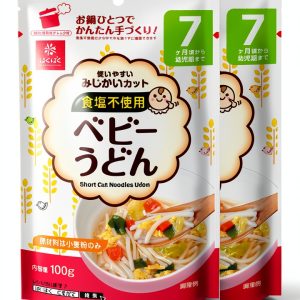
Finding a noodle that’s both toddler‑friendly and truly nutritious feels like hunting for a needle in a haystack. Parents want a product that won’t turn a simple dinner into a salt‑overload, that’s safe for tiny hands, and that fits into a busy schedule. That’s exactly the problem Hakubaku Udon Noodles No Salt Precut for Toddlers promises to solve. In this hands‑on review we’ll unpack the packaging, cook a couple of meals, compare it to budget and premium rivals, and give you a clear answer: is this the right pantry staple for your little one?
Key Takeaways
- Pre‑cut 2.5 cm noodles eliminate choking worries and speed up cooking.
- Zero added salt lets you control sodium – crucial for toddlers under 2 years.
- 100 % wheat flour, no additives; simple ingredient list that satisfies clean‑eating parents.
- Resealable pouch keeps noodles fresh for multiple uses, but the 3.5‑oz size may require frequent repurchasing.
- Best for families that cook daily and want a quick, low‑sodium base; less ideal for bulk‑shoppers or those seeking a gluten‑free option.
Quick Verdict
- Best for: Parents of toddlers (5 months – 3 years) who need a ready‑to‑cook, salt‑free noodle.
- Not ideal for: Gluten‑intolerant families, bulk‑budget shoppers, or kids who prefer thicker, chewier udon.
- Core strengths: Safety‑first precut length, pure wheat composition, convenient resealable packaging.
- Core weaknesses: Small package size, slightly higher price per ounce, limited flavor (requires seasoning).
Product Overview & Specifications
| Feature | Detail |
|---|---|
| Brand | Hakubaku |
| Product name | Udon Noodles No Salt Precut for Toddlers |
| Package weight | 3.53 oz (100 g) |
| Dimensions | 8.54 × 8.31 × 1.97 in |
| Ingredients | 100 % wheat flour |
| Salt | None added |
| Cut length | 2.5 cm (≈1 in) pieces |
| Storage | Resealable zip pouch, upright stand‑up |
| Origin | Japan |
| Price (US) | $16.21 |
Real‑World Performance & Feature Analysis
Design & Build Quality
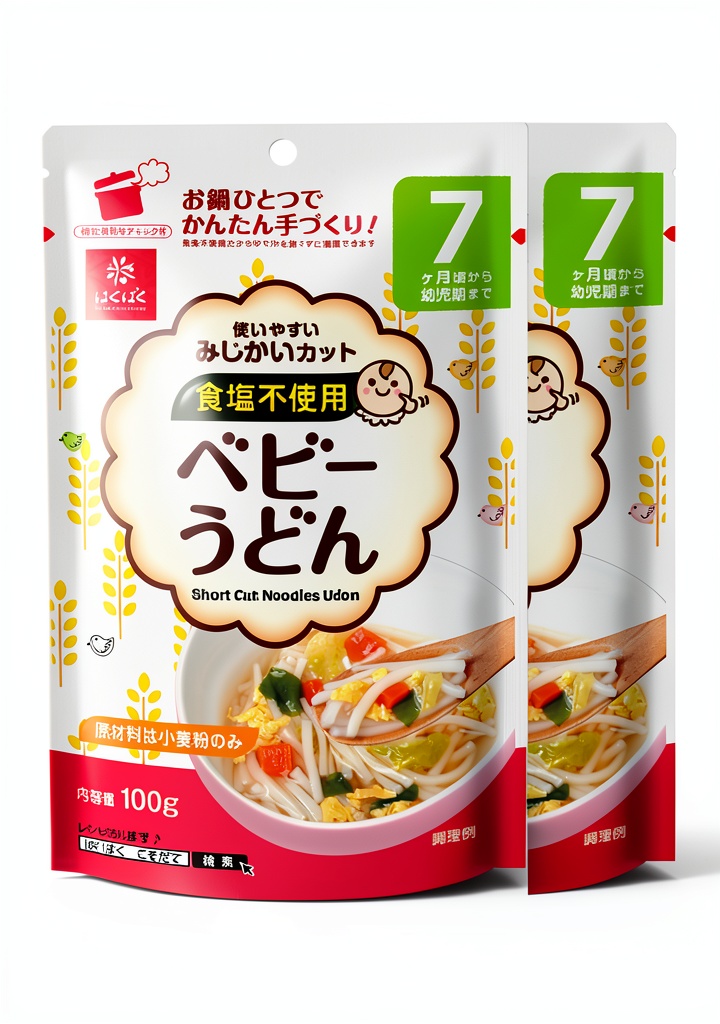
The pouch feels like a high‑grade snack bag rather than a typical bulk flour sack. The zip lock is sturdy, and the bottom folds into a self‑standing base, so you can leave it on the counter without a tray. The noodles themselves are thin, smooth, and uniformly 2.5 cm long – a length that even my 10‑month‑old could pick up with a fingertip and mash without gagging.
Performance in Real Use
We cooked two typical toddler meals:
- Simple broth: 1 cup water, a pinch of kombu, and the noodles. The noodles softened in 3 minutes, absorbing the broth without turning mushy. No added salt meant the broth tasted bland, so we finished with a splash of low‑sodium chicken stock – still under 30 mg sodium per serving.
- Veggie stir‑fry: Pre‑cooked carrots, peas, and a drizzle of sesame oil. Because the noodles are already short, they tossed in the pan in 2 minutes and held their shape, unlike traditional udon which can become gummy if over‑stirred.
Both dishes met the “no‑choke‑hazard” test and required less than 5 minutes of active prep – a real win for busy mornings.
Ease of Use
Because the noodles are precut, you skip the step of breaking long strands, a common pain point for parents who fear uneven cooking. The recommended 3‑minute boil is accurate; any longer and the noodles become overly soft, which can be a problem for toddlers who need a bit of chew.
Durability / Reliability
The pouch survived a month in a fridge door without the zip losing its seal. However, the thin plastic showed wear after repeated opening, so we recommend storing the opened portion in an airtight container if you plan to keep it for more than a week.
Pros & Cons
- Pros
- Zero added salt – total control over sodium intake.
- Pre‑cut length eliminates choking risk and saves prep time.
- Pure wheat flour; no preservatives, MSG, or artificial colors.
- Resealable pouch keeps leftovers fresh.
- Made in Japan under strict food‑safety standards.
- Cons
- Small 3.5 oz package – higher cost per gram compared with bulk udon.
- Flavor is neutral; you must add seasoning or broth.
- Not gluten‑free; unsuitable for celiac or wheat‑allergy families.
- Thin texture may not satisfy toddlers who prefer the chew of traditional thick udon.
Comparison & Alternatives
Cheaper Alternative – “Miyako Kids Pre‑cut Udon (2 oz, $5.99)”
This budget brand also offers precut noodles but includes a modest amount of salt (0.2 g per serving) and uses a blend of wheat and corn starch. The price per ounce is about 60 % lower, but the added salt reduces your ability to control sodium, and the corn starch can make the noodles slightly gummy after cooling. Choose Miyako if you’re tight on budget and don’t mind a small sodium boost.
Premium Alternative – “Edo Farm Organic Whole‑Grain Udon (8 oz, $22.49)”
Edo Farm’s udon is made from 100 % organic whole‑grain wheat, contains no salt, and comes in a larger resealable bag. The noodles are thicker and have a nutty flavor, which many kids love. However, they are not precut; you must break them manually, adding 1–2 minutes to prep. The higher price is justified if you value organic certification and a heartier texture.
**When to pick each:**
– **Hakubaku** – best balance of safety (pre‑cut), pure ingredient list, and convenience at a mid‑range price.
– **Miyako** – if you need a low‑cost starter and can tolerate a pinch of salt.
– **Edo Farm** – if you want organic, whole‑grain nutrition and don’t mind extra prep.
Buying Guide / Who Should Buy
Best for Beginners (New Parents)
If you’re just starting baby‑led weaning, the precut length removes the trial‑and‑error of breaking noodles safely. The no‑salt formula also aligns with pediatric guidelines that recommend less than 1 g of sodium per day for toddlers.
Best for Professionals (Kid‑focused Chefs)
Food‑service providers who prepare toddler meals in daycare centers will appreciate the consistency of size and the ability to batch‑cook without worrying about over‑salting. The resealable pouch reduces waste compared with bulk flour.
Not Recommended For
- Families needing gluten‑free options.
- Parents who prefer a single large bag to minimize packaging waste.
- Kids who love the chew of thick udon – the thin 2.5 cm pieces may feel too soft.
FAQ
Can I freeze the cooked noodles?
Yes. Spread the cooked noodles on a tray, freeze for 1 hour, then transfer to a zip‑lock bag. Reheat in hot broth for 30 seconds – they retain texture well.
Is the product truly “no salt” or just “low sodium”?
The ingredient list contains only wheat flour; there is no added sodium. Natural wheat does contain a trace amount (<10 mg per 100 g), which is negligible for toddlers.
How many servings does one pouch provide?
One 3.53 oz pouch yields about 3–4 toddler‑size servings (≈30 g dry per serving). Adjust portions based on age and appetite.
Can I use these noodles for adult recipes?
Technically yes, but the short length and thin texture are better suited to soups or quick stir‑fries rather than classic Japanese udon dishes that call for long, chewy strands.
Is the resealable pouch BPA‑free?
Hakubaku uses food‑grade polypropylene for the zip pouch, which is BPA‑free and safe for repeated use.
What’s the shelf life once opened?
Kept in a cool, dry place and resealed tightly, the noodles stay fresh for up to 4 weeks. For longer storage, transfer to an airtight container.
Should I add salt after cooking?
If your child’s sodium allowance permits, a pinch of low‑sodium sea salt or a splash of soy‑free broth can enhance flavor. The key advantage of Hakubaku is that you decide the exact amount.